
The State of Esports in Africa: Where Are We Today?
For years, the global gaming industry treated Africa as a future prospect a market waiting for better bandwidth, cheaper consoles, and broader smartphone access. That future has arrived. Today, Africa is home to over 406 million gamers (adding more than 36 million new players in 2026 alone), generating billions in annual gaming revenue and powering one of the world’s fastest-growing competitive ecosystems.
A Mobile-First Powerhouse
Unlike North America, Europe, or East Asia where competitive gaming grew out of PC cafés and living-room consoles. Africa’s esports boom is overwhelmingly built on smartphones.
- The Numbers: Over 80% to 90% of gaming revenue and active players across the continent come from mobile devices. In powerhouse markets like Nigeria alone which boasts over 46.6 million active players and revenue projections climbing toward $300 million nine out of ten gamers play on their phones.
- Why Mobile Wins: High import duties and steep retail prices keep consoles and high-end PCs out of reach for most everyday players. Affordable Android devices, expanding 4G/5G coverage, and telco data bundles have turned the smartphone into Africa’s primary competitive arena.
- The Baseline: While console staples like EA Sports FC, Tekken, and Street Fighter 6 remain massive crowd-pleasers at live events, mobile titles specifically Call of Duty Mobile, PUBG Mobile, and Free Fire still command the largest player bases, the highest tournament frequency, and the biggest prize pools.
"Africa’s gaming story is no longer about how many people play it’s about how much structured business, media, and competitive infrastructure we can build around those 406 million players."
— Editorial Desk, EsportGamers
Esports in Africa Ecosystem
What was once an informal culture of neighborhood gaming centers known locally in Nigeria as "oniles" has matured into a structured, multi-layered value chain. Today’s ecosystem relies on five key pillars working in shaping the growth.
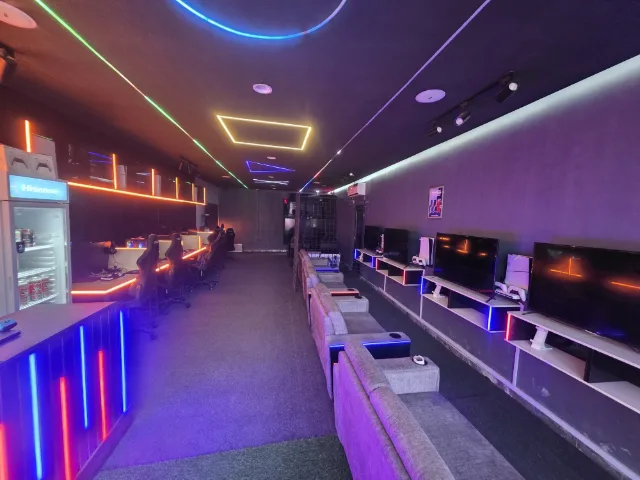
1. Grassroots Hubs & Gaming Cafés
Role: The talent incubator and communities are the backbones where players gather to practice, compete locally, and overcome power or bandwidth hurdles.
In Action: Local lounges like Ice Game and Trust Game Hub in Cameroon and neighborhood centers across Lagos and Nairobi serve as the first entry point into organized competition.
- The operational engines creating competitive pathways, running weekly online qualifiers, and producing major live LAN finals.
- In Action: Pan-African platforms like Gamr (GamrX), Nexal Gaming, Carry1st (Africa Cup), and Battlefield Naija routinely draw thousands of competitors and thousands of dollars in prize pools.
3. Esports Organizations & Pro Teams
Role: Professional and semi-pro rosters scouting grassroots talent, managing player contracts, and representing the continent in international qualifiers.
In Action: Structured organizations across Nigeria, South Africa, Egypt, Kenya, and Ghana are building dedicated rosters across mobile shooters and fighting games.
4. Federations & Governance Bodies
Role: National associations formalizing competitive rules, athlete eligibility, and pathways to international sporting committees.
In Action: Bodies like NESA (Nigeria Esports Federation) and FECASES (Cameroon) connect domestic leagues to global stages such as the Esports Nations Cup and the International Defence Esports Games (IDEG).
5. Brands, Telcos & Dedicated Media
- Role: The commercial and storytelling lifeblood providing prize pools, hardware support, broadcast production, and visibility.
- In Action: Sponsors like Infinix, LG, Monster Energy, Orange, and Red Bull, alongside dedicated outlets like EsportGamers, Games Industry Africa, and Esports 237, turn local matches into sponsor-ready broadcasts.
From Local Hustle to Continental Scale
The scale of competition across the continent has shifted dramatically. Regional hubs led by Nigeria, South Africa, Egypt, Kenya, Ghana, and Cameroon are hosting events that rival mid-tier international productions.
Events like GamrX in Lagos have pulled in competitors from over a dozen African countries, while platforms like Nexal Gaming have logged 195 events and over ₦90 million in cumulative prize disbursements. Meanwhile, the Carry1st Africa Cup doubled its Grand Finals prize pool to $30,000 in 2026 as the official African qualifier for the Call of Duty Mobile World Championship. At the grassroots level, collegiate leagues, university gaming clubs, and corporate tournaments are creating a reliable pipeline from casual campus play to pro rosters.
Beyond pure competition, local game development and zero-friction web gaming are expanding who gets to participate. Studios like Maliyo Games and Carry1st are building culturally rooted experiences, while viral browser hits like Lagos Life created by Ijeoma Shalom Rayhamen have shown that removing heavy downloads can pull over a million casual players into the gaming fold within days.
The Growing Pains Ahead
For all its momentum, esports in Africa is still navigating real structural hurdles as money and visibility flood the space:
- Infrastructure & Latency: Outside major urban hubs, unreliable electricity, high data costs, and a lack of local African servers for major titles force players to compete on high ping against international rivals.
- The Integrity Gap: As prize pools climb, tournament rulebooks and anti-cheat enforcement are racing to catch up. Stakeholders across Nigeria and the wider region are pushing toward unified anti-cheat standards and transparent governance ahead of 2027 to keep corporate sponsors confident.
- Monetization & Sustainability: Turning massive player engagement into steady, profitable revenue remains a balancing act for tournament organizers, teams, and venue operators working within local consumer realities.
Esports in Africa is no longer an experiment it is an active, self-sustaining culture powered by the youngest population on earth. The talent is already here, the communities are organized, and the brands are paying attention. The next chapter isn't about proving that Africa games; it’s about building the infrastructure, governance, and global pathways that let African champions compete and win on the world stage.
If you miss the gist and happenings around esports and gaming last week here is a weekly round-up article to keep you updated Read Here

Comments
Be the first to comment.
New comments are reviewed before they appear.