
What Is Esports, and Why Is It Bigger Than Traditional Sports?
If you are restarting your gaming journey or diving into esports, there is one question every newcomer and curious parent, brand sponsor, or aspiring pro eventually asks: What exactly is esports?
Is it just kids playing video games in their bedrooms, or is it a multi-billion-dollar global industry packed with packed arenas, pro contracts, and multi-million-dollar prize pools?
The short answer: It’s the latter.
Esports (short for electronic sports) has evolved from basement LAN parties and neighborhood arcade hangouts into a structured, highly competitive professional ecosystem. Let’s break down what esports is, how it works, and why it has taken over the digital world.
What Is Esports?
At its core, esports is a competitive video gaming at a professional level.
While anyone can play a video game casually, esports turns video games into organized sports leagues, complete with the following:
Professional Teams & Organizations: Global powerhouses (like Team Vitality, Cloud9, and regional leaders) signed to multi-year contracts, coached by analysts, and backed by sports psychologists.
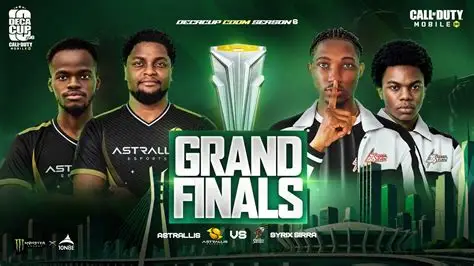
Structured Tournaments & Leagues: Multi-stage seasons, regional qualifiers, and international world championships (such as the Esports World Cup or regional giants like GamrX).
Massive Viewership: Millions of fans tuning in live via Twitch, YouTube Gaming, and broadcast networks to watch elite players compete in real time.
The Major Genres: What Do They Play?
Just like traditional sports has football, basketball, and tennis, esports spans several distinct genres, each requiring completely different skill sets, reflexes, and tactical coordination:
MOBAs (Multiplayer Online Battle Arenas): Games like League of Legends and Dota 2 where two teams of five players fight to destroy the enemy base using distinct tactical roles and characters.
First-Person Shooters (FPS) & Battle Royales: Titles like Counter-Strike 2, Valorant, PUBG Mobile, and Free Fire where split-second reaction time, precise gunplay, and team positioning decide the victor.
Fighting Games: Classics like Street Fighter 6, Tekken, and Mortal Kombat where 1v1 mechanical mastery and mind games dictate who takes the trophy.
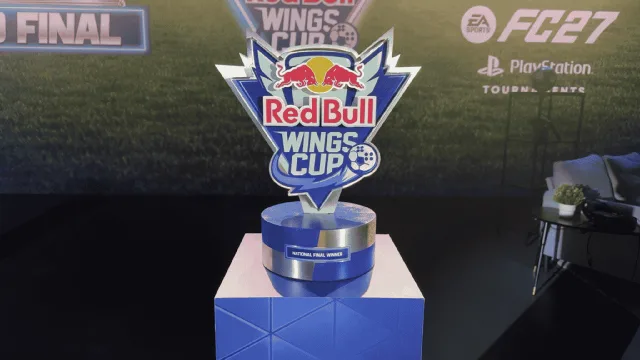
Sports Simulators: Games like EA Sports FC that bridge physical sports with virtual pitches, drawing massive crowds at live festivals.
The Platforms: PC, Console, and the Mobile Explosion
For a long time, esports was viewed exclusively as a PC or console phenomenon. Today, the landscape looks vastly different:
PC and Console Powerhouses: High-end desktop rigs and next-gen consoles still host the largest global stage majors, known for intricate tactical gameplay and massive physical arenas.
The Mobile Gaming Revolution: Mobile phones account for a massive share of active players worldwide particularly driving explosive growth across regions like Africa, Southeast Asia, and Latin America. Titles like PUBG Mobile and Free Fire prove that world-class competitive gaming can live right in the palm of your hand.
The Business Behind the Game: Why Brands Are Cashing In
Esports is no longer a niche hobby; it’s a commercial powerhouse. Valued in the billions globally, the industry thrives on several key revenue pillars:
Sponsorships & Brand Partnerships: Tech giants, energy drink brands, and apparel companies (like LG, Infinix, and Monster Energy) pour investment into jerseys, broadcasts, and arena naming rights.
Media Rights & Streaming: Billions of hours watched annually on digital streaming platforms.
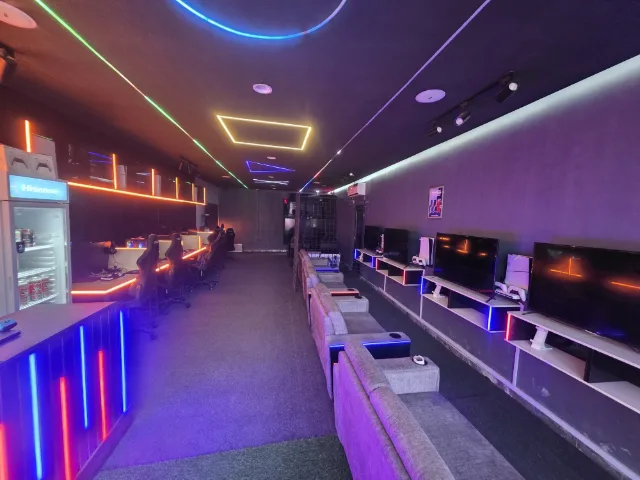
Live Events & Festivals: Multi-day digital lifestyle expos that blend gaming, cosplay, music, and technology demos, turning cities into regional entertainment capitals.
Growing Pains: The Road Ahead for Competitive Integrity
As prize pools climb and corporate money flows deeper into the ecosystem, the industry is experiencing a massive maturity phase.
Organizers, federations, and publishers are tightening the screws on competitive integrity working hard to stamp out digital cheating (like modified clients and aimbots) and establishing clearer anti-cheat standards and disciplinary frameworks leading up to 2027. Ensuring that every trophy is won through pure skill, strategy, and teamwork is the final boss the modern esports landscape is actively beating.
Esports is more than high-speed pixels on a screen it is a global culture, a digital economy, and a thriving community where anyone with a device, passion, and lightning-fast reflexes can dream of lifting a trophy.
Whether you're here for the mobile tournament breakdowns, the latest industry trends, or the deep dives into competitive strategies, our newly rebooted blog is your front-row seat to the action.
What was the very first game you ever played competitively? Drop your story in the comments below!

Comments
Be the first to comment.
New comments are reviewed before they appear.